
Understanding Fresh Mussels
Fresh mussels belong to the Mytilidae family and are prized for their sweet, briny flavor and firm texture. The blue mussel is the most commonly consumed variety, thriving along coastlines where it is harvested from both wild and farmed sources. Nutritionally, mussels are rich in protein, omega-3 fatty acids, and essential vitamins and minerals, making them a favored choice among health-conscious diners.
Selecting Fresh Mussels
When you're ready to purchase mussels, keep these crucial pointers in mind:
Quality Indicators
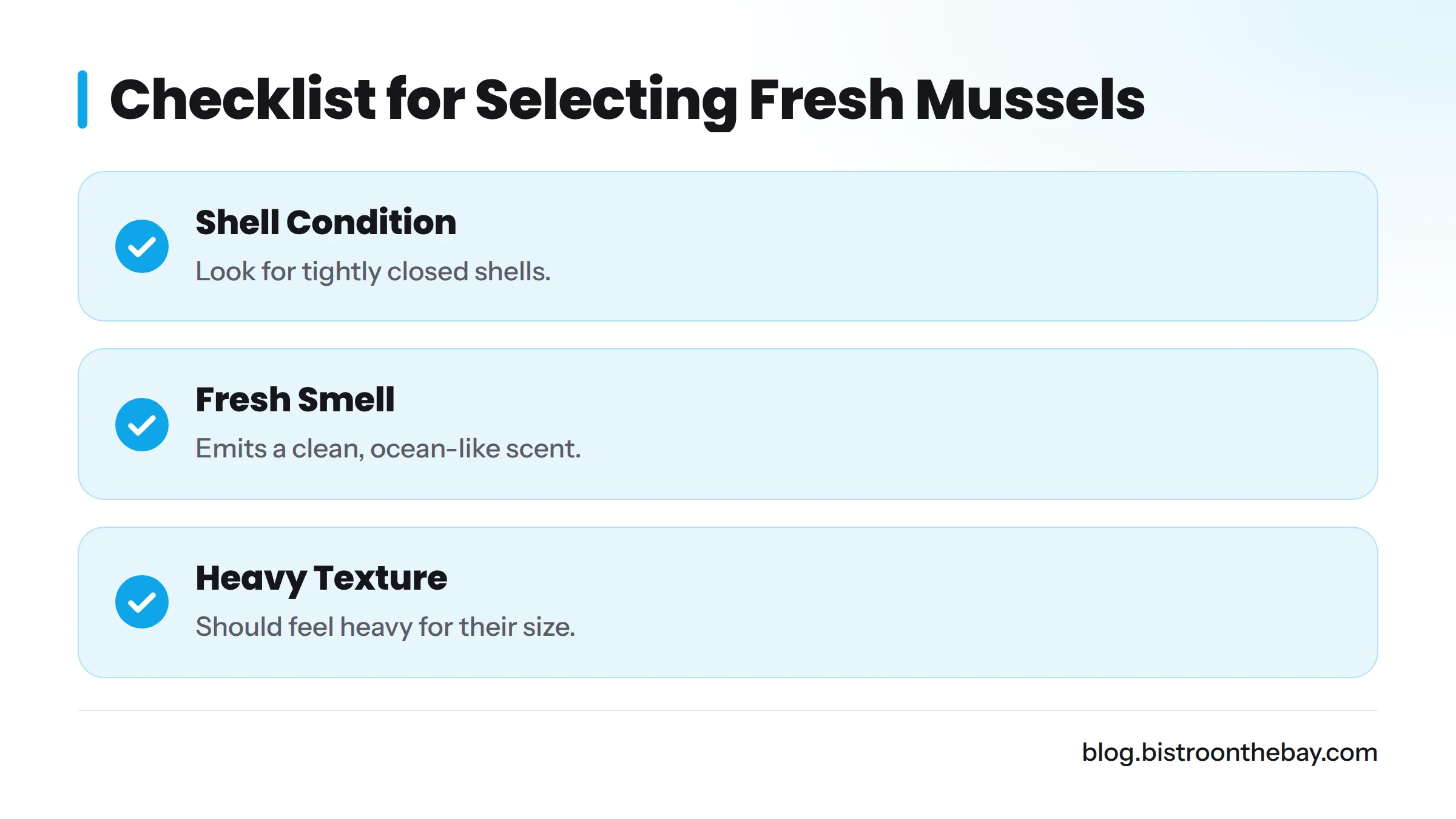
- Shell Condition: Look for mussels with tightly closed shells. If you find one slightly open, tap it; a fresh mussel will close tightly. Discard any with broken or damaged shells.
- Smell: Fresh mussels emit a clean, ocean-like scent. A foul or strong odor indicates spoilage.
- Texture: Fresh mussels should feel heavy for their size, suggesting they are filled with water.
Where and When to Buy
Purchase mussels from reputable seafood markets or local fishmongers known for high-quality offerings. They can also be found in grocery stores or through trusted online sources, which should have positive reviews. Mussel availability varies by region; generally, they are in season during the colder months - be sure to ask about local availability.
Storing Fresh Mussels
Proper storage is vital once you have your mussels:
- Storage Method: Keep them in a bowl covered with a damp cloth in the refrigerator. Avoid submerging them in water to prevent spoilage.
- Shelf Life: Fresh mussels are best consumed within two days. Always check for spoilage signs before cooking.
Assessing Freshness
To ensure your mussels are fresh, consider these checks:
- Visual Inspection: Ensure the shells are clean and undamaged.
- Sound Test: Lightly tap open shells; they should close tightly. Discard any that remain open.
- Texture Check: If the mussels appear dry or shriveled, they likely are not fresh.
Cooking Fresh Mussels: Tips and Recipes
Mussels are versatile and can be prepared in various delicious ways. Here’s how:
Recipe Ideas
- Steamed Mussels: A classic dish. Steam them over high heat with white wine, garlic, and herbs for a truly exquisite experience.
- Mussels in White Wine: Sauté onions and garlic, add wine, and then the mussels. Cover and steam until they open.
- Mussel Broth: Create a flavorful broth by simmering mussels in fish stock with dill and leeks, perfect for a soup base.
Perfect Wine Pairings
Enhancing your mussel dish with the right wine can elevate the entire dining experience:
- Sauvignon Blanc: Its bright acidity pairs well with the briny flavor of mussels.
- Chardonnay: Creamy dishes benefit from a buttery chardonnay.
- Pinot Grigio: A light and refreshing choice that balances richer flavors.
FAQ
What should fresh mussels look like?
Look for tightly closed shells, a clean ocean scent, and a firm texture.
How do you store mussels properly?
Keep them in a bowl covered with a damp cloth in the fridge, and avoid water immersion.
What are safe cooking methods for mussels?
Steaming, boiling, and baking are all safe, as long as mussels open during cooking.
Can you eat mussels that don’t open?
No, discard any mussels that remain closed after cooking, as they may be spoiled.
Which wine pairs best with mussels?
Sauvignon Blanc is an excellent choice to complement the natural flavors of the dish.
Enjoying Fresh Mussels
By adhering to these guidelines for selecting, storing, and cooking fresh mussels, you can savor a delightful seafood experience, whether dining at home or at a restaurant. For the best seafood options, check out our menu at Blue Sky Bistro. Dive into fresh mussels during your next seafood adventure!